Meningitis Explained: Understanding the Inflammation of the Brain's Protective Layers
Meningitis, often referred to in Dutch as hersenvliesontsteking, is a critical medical condition characterized by the inflammation of the meninges – the protective membranes that envelop the brain and spinal cord. When we delve into the Meningitis Betekenis, we understand it as a serious infection or inflammation that can have devastating consequences if not identified and treated promptly. This condition can affect anyone, regardless of age, and its varied causes and rapid progression make it a significant health concern worldwide. From debilitating headaches to life-threatening complications, understanding meningitis is the first step towards prevention and effective management.
The brain and spinal cord are vital components of our central nervous system, and the meninges act as their crucial physical barrier, protecting them from injury and infection. When these layers become inflamed, due to various factors, the resulting pressure and irritation can disrupt normal neurological function, leading to a spectrum of symptoms and potential damage. This article will thoroughly explore the causes, recognize the tell-tale symptoms, and underscore the paramount importance of urgent treatment for meningitis.
Understanding Meningitis: What Exactly is This Serious Condition?
At its core, the Meningitis Betekenis points to an inflammatory response within the cerebrospinal fluid (CSF) and the meninges. These membranes are made up of three layers: the dura mater (outermost), arachnoid mater (middle), and pia mater (innermost). When any of these layers, or the fluid circulating between them, becomes inflamed, it constitutes meningitis. This inflammation can lead to swelling, which in turn puts pressure on the brain and spinal cord, causing many of the classic symptoms associated with the condition.
What makes meningitis so serious is its proximity to the central nervous system. The brain and spinal cord control virtually all bodily functions, and any impairment can have severe, lasting effects. Without swift intervention, meningitis can lead to:
- Brain damage
- Hearing loss
- Learning disabilities
- Seizures
- Stroke
- Even death
Therefore, recognizing the signs and understanding the different forms of this disease is not just important – it's potentially life-saving.
The Diverse Causes Behind Meningitis
Meningitis isn't a single disease but rather a group of conditions that manifest similarly due to inflammation of the meninges. The cause of this inflammation dictates the severity, treatment approach, and prognosis. The most common culprits are infections, primarily bacterial and viral, but other less frequent factors can also trigger the condition. For a deeper dive into these various origins, you can explore our detailed article on Meningitis Causes: Understanding Bacterial, Viral, and Prevention.
Bacterial Meningitis: A Medical Emergency
Bacterial meningitis is arguably the most dangerous and rapidly progressing form of the disease, demanding immediate medical attention. It is caused by various bacteria that can enter the bloodstream and travel to the brain and spinal cord, or directly invade the meninges through head trauma or certain surgeries.
- Neisseria meningitidis (Meningococcus): Known for causing epidemics, especially in close-quarter settings like college dorms. It can also cause a characteristic rash that doesn't fade under pressure.
- Streptococcus pneumoniae (Pneumococcus): A very common cause, often responsible for pneumonia, ear infections, and sinus infections, which can sometimes spread to the meninges.
- Haemophilus influenzae type b (Hib): Once a leading cause, but its incidence has significantly decreased thanks to widespread vaccination.
Bacterial meningitis can lead to severe brain damage, hearing loss, or even death within a matter of hours if left untreated. Prompt administration of powerful intravenous antibiotics is critical.
Viral Meningitis: More Common, Often Less Severe
Viral meningitis is far more common than its bacterial counterpart and, while still serious, typically presents with milder symptoms and a better prognosis. It is usually caused by common viruses, often those that cause cold sores (herpes simplex virus) or stomach flu (enteroviruses).
- Enteroviruses: These are the most common cause of viral meningitis, spreading through respiratory droplets and fecal-oral routes.
- Herpes Simplex Virus (HSV): Though less common, HSV can cause meningitis, sometimes as a complication of primary infection or reactivation.
- Mumps, Measles, Influenza, and West Nile Virus: These and other viruses can also lead to viral meningitis.
Treatment for viral meningitis is primarily supportive, focusing on rest, fluids, and pain management, as antibiotics are ineffective against viruses. In some specific cases, antiviral medications may be used.
Fungal Meningitis: A Rare Challenge
Fungal meningitis is a relatively rare form of the disease, primarily affecting individuals with compromised immune systems, such as those with HIV/AIDS, cancer, or organ transplants. It is typically caused by inhaling fungal spores from the environment, often found in soil or bird droppings.
- Cryptococcus neoformans: A common cause, particularly in individuals with weakened immune systems.
- Coccidioides immitis: Found in certain arid regions, causing 'valley fever' which can sometimes progress to meningitis.
Treatment involves long courses of high-dose antifungal medications.
Other, Less Common Causes
Beyond infections, meningitis can also stem from:
- Parasitic infections: Rare, often contracted from contaminated food or water.
- Certain medications: Some drugs can trigger an aseptic (non-infectious) inflammatory response.
- Autoimmune diseases: Conditions like lupus can cause inflammation of the meninges.
- Cancer: Malignant cells can spread to the meninges, causing inflammation.
Recognizing the Red Flags: Meningitis Symptoms
The symptoms of meningitis can vary significantly depending on the person's age, the cause of the infection, and its severity. However, there are classic signs that, when recognized quickly, can prompt life-saving medical attention. It's crucial not to underestimate these symptoms; if you suspect meningitis, seek immediate medical help. For a more detailed guide on symptom identification, refer to our article: Spotting Meningitis: Key Symptoms & Why Early Action Matters.
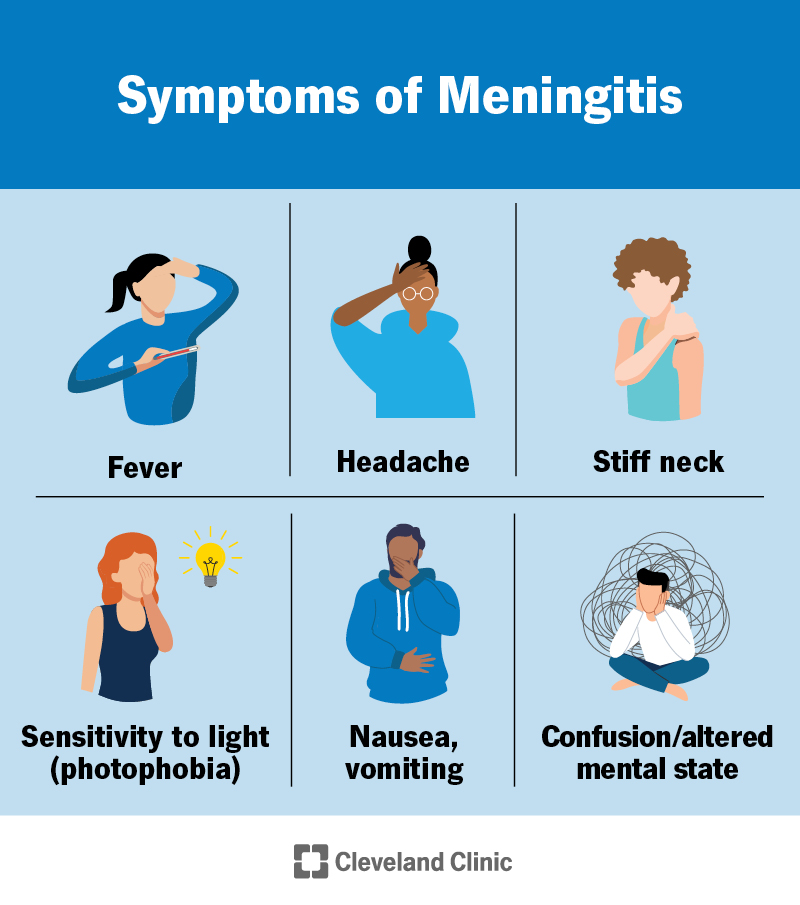
Common Symptoms in Adults and Older Children:
- Sudden High Fever: Often one of the first and most prominent symptoms.
- Severe Headache: A persistent, throbbing headache unlike typical headaches, often unresponsive to over-the-counter pain relievers.
- Stiff Neck (Nuchal Rigidity): Difficulty or inability to touch the chin to the chest. This is a hallmark sign.
- Photophobia: Increased sensitivity to light.
- Nausea or Vomiting: Common due to increased intracranial pressure.
- Confusion or Altered Mental Status: Difficulty concentrating, disorientation, or even seizures.
- Skin Rash: Especially with meningococcal meningitis, a distinctive reddish-purple rash that doesn't fade when pressed (a "tumbler test") can appear. This is a severe sign and warrants immediate attention.
- Lethargy or Difficulty Waking Up: Extreme tiredness or unresponsiveness.
Symptoms in Infants and Young Children:
Identifying meningitis in infants can be challenging as they cannot communicate their symptoms effectively. Watch for:
- High fever
- Constant crying and irritability
- Excessive sleepiness or difficulty waking
- Poor feeding
- A bulging soft spot (fontanelle) on the head
- Stiffness in the body and neck
- Unusual arching of the back
Our Insight: Always treat suspected meningitis as an urgent medical emergency. Do not wait for a rash to appear, as not all forms of meningitis produce one, and by then, valuable time may have been lost.
Urgent Treatment and Prevention Strategies
Given the rapid progression and potentially devastating outcomes of meningitis, especially bacterial forms, prompt diagnosis and immediate treatment are absolutely vital. Delaying treatment can dramatically increase the risk of severe complications or death.
The Critical Need for Immediate Medical Attention
If meningitis is suspected, the first and most important step is to seek emergency medical care immediately. Diagnosis typically involves:
- Physical Examination: Checking for fever, stiff neck, and neurological signs.
- Blood Tests: To identify infection markers and potential bacterial presence.
- Lumbar Puncture (Spinal Tap): This is the definitive diagnostic tool. A small amount of cerebrospinal fluid (CSF) is collected from the lower back and analyzed for signs of infection, such as white blood cell count, protein, glucose levels, and the presence of specific bacteria or viruses.
Tailored Treatment Approaches
Treatment is initiated as soon as meningitis is suspected, often before definitive diagnostic results are available, to prevent rapid deterioration.
- Bacterial Meningitis: This is a medical emergency requiring immediate intravenous antibiotics. The specific type of antibiotic will depend on the suspected or identified bacteria. Corticosteroids may also be given to reduce inflammation and brain swelling.
- Viral Meningitis: Treatment is generally supportive, focusing on rest, fluids, and managing symptoms like fever and pain. In some cases, antiviral medications may be prescribed if a specific treatable virus (like herpes simplex) is identified.
- Fungal Meningitis: This requires long courses of potent antifungal medications, often administered intravenously.
Proactive Prevention: Taking Control
Prevention is a powerful tool in the fight against meningitis, significantly reducing the risk of contracting several forms of the disease.
- Vaccination: Several vaccines are highly effective in preventing common types of bacterial meningitis:
- Meningococcal Vaccines: Protect against various strains of Neisseria meningitidis. Recommended for infants, adolescents, and individuals at higher risk.
- Pneumococcal Vaccines: Protect against Streptococcus pneumoniae. Recommended for infants, young children, and older adults.
- Hib Vaccine: Protects against Haemophilus influenzae type b, drastically reducing its incidence in children.
- Good Hygiene Practices: Regular and thorough handwashing (especially after coughing, sneezing, or using the restroom, and before eating) can help prevent the spread of germs that cause viral and some bacterial meningitis. Avoid sharing eating utensils, drinking glasses, and personal items.
- Boosting Immunity: Maintaining a healthy lifestyle with adequate sleep, a balanced diet, and regular exercise can support your immune system, making you less susceptible to infections.
Conclusion
Meningitis is a formidable health threat, characterized by the inflammation of the protective membranes surrounding the brain and spinal cord. From understanding the core Meningitis Betekenis to recognizing its diverse causes and swift-acting symptoms, awareness is your best defense. While bacterial meningitis remains a severe medical emergency demanding immediate treatment, even viral forms warrant careful monitoring. Proactive measures, particularly vaccination and diligent hygiene, play a critical role in prevention. If you or someone you know exhibits symptoms suggestive of meningitis, do not hesitate – seek urgent medical attention without delay. Early diagnosis and appropriate treatment are paramount to ensuring the best possible outcome and preventing potentially life-altering complications.